Gold, Nickel, and Bauxite: Key Resources Driving Industrial Growth
Indonesia stands as one of the world’s most resource-rich nations, with vast reserves of gold, nickel, and bauxite playing a critical role in both national development and global industrial supply chains. These three minerals are not only valuable commodities but also essential drivers of modern industry. As global demand continues to rise, understanding their importance becomes key to recognizing Indonesia’s strategic position in the international market.
Gold has long been valued for its economic and industrial significance. Beyond its traditional role as a store of value and investment asset, gold is widely used in electronics, medical devices, and advanced technologies. Its excellent conductivity and resistance to corrosion make it a crucial material in manufacturing high-quality electronic components. In Indonesia, gold mining contributes significantly to export revenues and supports thousands of jobs, particularly in regions rich in mineral deposits.
Nickel, on the other hand, has become increasingly important in recent years due to its role in the global transition toward clean energy. As a key component in lithium-ion batteries, nickel is essential for electric vehicles (EVs) and renewable energy storage systems. Indonesia is one of the largest producers of nickel in the world, giving the country a strategic advantage in the rapidly growing EV industry. The government has also taken steps to encourage downstream processing, ensuring that raw nickel is refined domestically to increase its value and create more economic opportunities.
Bauxite, the primary source of aluminum, is another vital mineral driving industrial growth. Aluminum is widely used across various industries, including construction, transportation, packaging, and aerospace. Its lightweight, durable, and corrosion-resistant properties make it an ideal material for modern infrastructure and manufacturing. Indonesia’s bauxite reserves support the production of alumina and aluminum, contributing to both domestic industry and export markets.
The growing importance of these minerals is closely tied to global industrial trends. Rapid urbanization, technological advancement, and the shift toward sustainable energy solutions are all increasing demand for gold, nickel, and bauxite. As countries invest in infrastructure and clean energy, the need for reliable sources of these materials continues to expand. This creates significant opportunities for Indonesia to strengthen its position as a leading supplier in the global market.
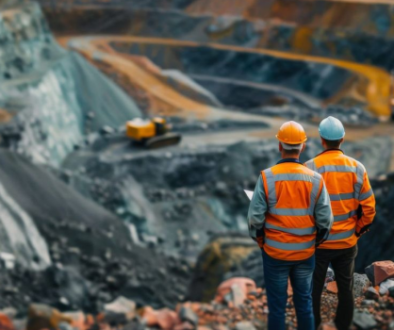
However, with these opportunities come important responsibilities. The mining and processing of gold, nickel, and bauxite must be carried out in a sustainable and responsible manner. Environmental concerns such as deforestation, water pollution, and land degradation have made sustainability a top priority in the mining sector. Companies are now expected to adopt environmentally friendly practices, reduce waste, and ensure proper land rehabilitation after mining activities.
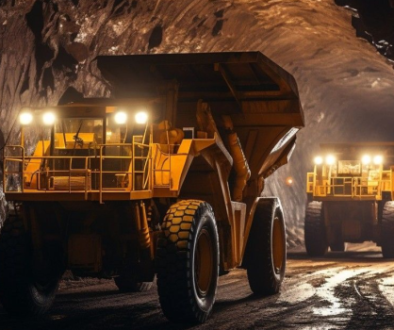
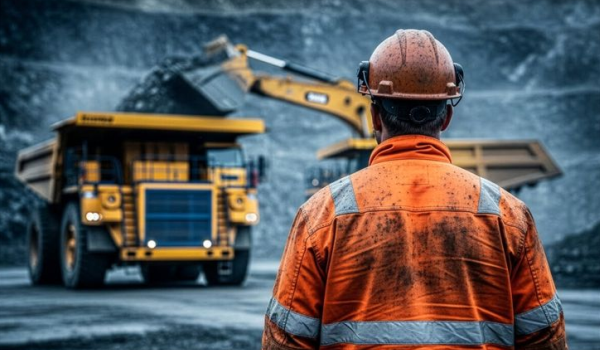
Technological innovation plays a crucial role in improving the efficiency and sustainability of mineral extraction and processing. Modern mining techniques allow companies to minimize environmental impact while maximizing output. Automation, data-driven decision-making, and cleaner processing technologies are helping the industry move toward more sustainable operations. These advancements not only improve productivity but also reduce operational risks and costs.
In addition to environmental considerations, social responsibility is equally important. Mining companies must engage with local communities, respect their rights, and contribute to their development. This includes providing employment opportunities, supporting local infrastructure, and ensuring that communities benefit from mining activities. Strong community relationships are essential for maintaining long-term operational stability and trust.
Government policy also plays a significant role in shaping the future of these industries. Indonesia has introduced regulations aimed at increasing the value of its mineral resources through domestic processing and refining. By encouraging downstream industries, the government aims to reduce reliance on raw material exports and create a more resilient and diversified economy. This approach not only boosts national income but also strengthens Indonesia’s position in global supply chains.
Looking ahead, the demand for gold, nickel, and bauxite is expected to continue growing. The expansion of electric vehicles, renewable energy systems, and modern infrastructure will further increase the need for these essential resources. Indonesia is well-positioned to meet this demand, provided that it continues to prioritize sustainability, innovation, and responsible resource management.
In conclusion, gold, nickel, and bauxite are key resources driving industrial growth in Indonesia and beyond. Their importance extends across multiple industries, from technology and energy to construction and manufacturing. By managing these resources responsibly and investing in sustainable practices, Indonesia can ensure long-term economic growth while preserving its natural environment for future generations.